
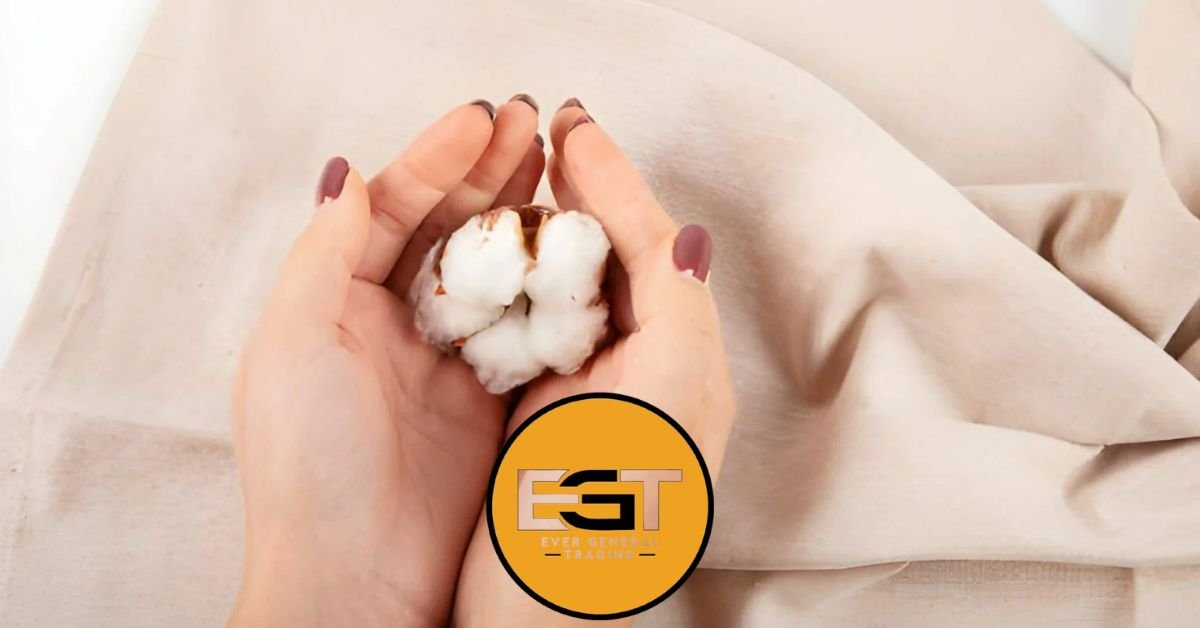
Cotton is a highly preferred material around the world because of its softness, lightness, and gentleness. Right from clothes to bed sheets and towels to working clothes, cotton material is often preferred.
Not all “cotton” materials contain 100% pure cotton, as many fabrics are blended with synthetic fibers such as polyester and nylon. While these blended materials can offer similar benefits in terms of comfort, breathability, and durability, pure cotton fabric remains far superior in overall quality and feel. This is why businesses looking for premium restaurant uniforms Dubai often prefer high-quality cotton fabrics to ensure maximum comfort, professionalism, and long-lasting wear for their staff.
It is vital to learn how to identify pure cotton. This means that if you need to purchase clothes, home textiles, or work uniforms, you need to know all there is to know about the quality of the cotton.
- Why Checking Cotton Purity Is Important
- Comfort
It is soft and airy and will be comfortable to wear on a daily basis. It is also very cool, and you will always feel fresh.
- Durability
Better quality cotton will last longer, resist repeated washing well, whereas a mixture of fabrics tends to wear out or lose shape sooner.
- Health
Pure cotton is also hypoallergenic and soothing to sensitive skin, whereas sometimes, artificial fibers may cause irritation, rashes, and/or an allergy to the skin.
- Value for the Money
When opposed to mixes that could fade or disintegrate more quickly, authentic cotton is a worthy investment since it retains its color and form for a long time.
- What Are the Signs of Pure Cotton?
- Softness and Texture
Cotton is soft and natural. It should not shine like the rest of the materials and should have a natural flow.
- Feel it by hand.
It should be smooth to the touch, yet should not be too slippery.
- Breathability
It allows airflow, which keeps your body cool with a significant reduction in sweating. Whenever the body is insulated, the heat it emits results in more sweating.
- Durability
High-quality cotton fibers tend to have strength and durability. It resists color and shape changes even after various launderings. These properties make cotton suitable for textile products.
- How to Test Pure Cotton at Home
Cotton purity testing can be done through simple procedures that do not require specialized equipment:
- Touch Test
Put your fingers on the cloth. Blends will be shiny, stiff, or slippery, whereas cotton will have a delicate texture and be soft.
- Burn Test
Take a small thread to burn it properly. The burning of pure cotton produces a soft ash similar to that of paper. The other materials melt off, with the production of a chemical smell.
- Test of Water Absorption
The cloth is treated with a few droplets of water. Pure cotton will readily soak water. Resistant fabrics or those that form water beads are generally artificial fabrics.
- Twist Test
Create a tight cord by twisting the cloth. Cotton resists snapping and creasing naturally. Synthetic materials are prone to snapping or stretching.
- Why Thread Count Matters
- A Higher Thread Count Ensures Quality
The textiles will be softer, stronger, and more resilient with a greater thread count.
- Low Thread Count Fabrics
Low thread cotton could be coarse. Knowing thread count is essential to ensure that you purchase comfortable as well as durable items.
- How Labels Can Help?
- Check Your Composition Label
Check for the label that says 100% cotton. Do not use “cotton blend” or “poly-cotton” if you want to use real cotton.
- Origin Country
Some countries, including Egypt, India, and the United States, are well known for their exceptional cotton output. Better quality may be indicated by labels that acknowledge their sources.
- How to Examine Fabric Quality
- Weave and Finish
The cotton will be pure, dense, with a matte finish. It should have a soft texture, with minimal shine.
- Stretch Test
Pull the fabric slowly. Cotton fibers do not stretch well and recover their original form. Cotton blends can be too elastic or too rigid.
- Dye & Colour
Superior cotton does not fade easily and retains color nicely. After a few washes, low-quality textiles may bleed or fade.
- Advances in cotton
- Durable: It lasts for a longer period of time when it is
- Soft and Comfortable: Cotton is soft. It’s very comfortable on the skin. It’s the best material to use for comfort.
- Breathability: It Keeps the Body Cool and Fresh
It allows air to pass through and keeps you cool.
- Simple upkeep: washable frequently without causing damage
- Style and Comfort Considerations
- Pure cotton is airy and is very suitable for summer.
- It is ideal for making bath towels, bedclothes, and pajamas when the cotton is soft.
- Cotton is a good material for work clothes and day-to-day clothing.
- Blends may be made if there is a requirement for stretch-resistance or wrinkle-resistance.
- The natural drape of cotton improves the appearance and fashion of clothes
- How to Select a Trustworthy Cotton Provider
- Select seasoned vendors that have received good feedback from clients.
- Ensure that the cotton is certified and labeled clearly.
- Check whether the supplier offers custom options, if required
- Compare prices to get a good value for 100% pure cotton.
- It is trusted suppliers who avoid buying fake or blended cotton.
- Conclusion
Comfort, durability, and value are the three main reasons cotton purity is examined. Pure cotton is long-lasting, hypoallergenic, breathable, and soft, making it ideal for professional wear. Cotton purity can be easily verified through simple at-home methods such as touch and burn tests, water absorption tests, and twist tests. Before purchasing, it is also important to check labels, thread count, weave, and certifications. Choosing a reliable uniforms Supplier in Dubai further guarantees fabric quality, consistency, and long-term performance.
FAQ
- Whether pure cotton shrinks or not?
Slightly, but it’s durable whether it’s hot or cold water.
- Can I identify cotton from the pack?
Yes, you can check for “100% cotton” and “organic cotton.
- How can the purity of the cotton be guaranteed?
Feel, weave, burn test, water absorption, or Labels are some of the factors that are used to determine pure cotton.
- What is the burning test for cotton?
In pure cotton, a soft ash which produced, which has a paper-like odor, whereas in synthetic fabrics, it has a chemical-like odor and melts.
- Is cotton breathable?
Yes, it enables airflow, keeping you cool.
- Will Cotton Last for a Long Period Even with Frequent Use?
Well, yes, good cotton will not mind if it is repeatedly washed.
- Can cotton be used for tropical climates?
Of course, the truth is that cotton is quite light and the best material for a warm climate.
- Do cotton blends perform better than cotton?
Blends can provide extensibility and wrinkle resistance, but will compromise breathability and tactility.
- How should I clean pure cotton?
By using cold or warm water with mild soap, avoid using bleach.
- Is cotton prone to wrinkling?
Yes, it does, if it is 100% cotton, but it’s easily ironed and soft to the touch
- How do I choose a good supplier of cotton?
They should look for experience, certification, clear labeling, and reviews.
- Is it easy to dye cotton?
Well, yes, it does absorb dye well. It’s good at retaining colors.